Dry Eye Care at Monarch Bay Optometry | Dana Point, California
September is Healthy Aging Month, which makes it a great time to talk about an eye problem that often becomes more noticeable as we get older: dry eye.
Maybe your eyes didn’t bother you much ten years ago.
Now they burn after a few hours on the computer. They feel gritty in the afternoon. Your contact lenses aren’t as comfortable as they used to be.
Or perhaps you have the symptom that seems to make absolutely no sense:
Your “dry” eyes won’t stop watering.
You’re not imagining it.
The National Eye Institute reminds us during Healthy Aging Month that taking care of our eyes is an important part of maintaining our health and quality of life as we get older.
First, Tears Are More Complicated Than You Think
Healthy tears aren’t simply water.
Your tear film contains several components that work together to keep the surface of your eyes smooth, comfortable and optically clear.
One particularly important component is the oil layer, produced primarily by tiny meibomian glands located in the eyelids.
Think of that oil as a protective layer that helps keep your tears from evaporating too quickly.
If those glands become blocked or aren’t producing healthy oils, tears may evaporate faster. This is associated with meibomian gland dysfunction, or MGD, an important contributor to evaporative dry eye.
Mayo Clinic explains that blocked meibomian glands can contribute to increased tear evaporation.
Why Does Dry Eye Become More Common With Age?
Several things can happen at the same time.
Tear production may decrease. Our ability to produce tears can diminish as we get older.
Hormones may play a role. Hormonal changes can contribute to dry eye.
Medications can matter. Certain medications, including some antihistamines, antidepressants and blood pressure medications, can affect tear production.
The oil glands in the eyelids may not function as well. When meibomian gland secretions become blocked or unhealthy, tears may evaporate too quickly.
Then there are our screens. We tend to blink less frequently when concentrating on computers, tablets and phones. Less blinking can increase tear evaporation and make dry eye symptoms more noticeable.
The American Optometric Association also points out that medications and health conditions become increasingly important considerations for eye and vision health during our 40s, 50s and beyond.
Did You Know You Can Have Dry Eyes and Watery Eyes at the Same Time?
It sounds completely contradictory, but it’s actually quite common.
When the surface of your eye becomes dry and irritated, your eyes may respond by producing reflex tears.
Mayo Clinic specifically lists watery eyes as a possible response to dry eye irritation.
Those extra tears don’t necessarily solve the underlying tear film problem.
Dana Point Is Beautiful, but Our Environment Can Challenge the Tear Film
Living near the Southern California coast has plenty of advantages, but our eyes encounter wind, sun, air conditioning, fans, long hours on digital devices and contact lens wear.
You don’t need to stop enjoying the things you love. The goal is to determine what’s contributing to your symptoms and improve the health and stability of your tear film.
Why Random Eye Drops Don’t Always Solve the Problem
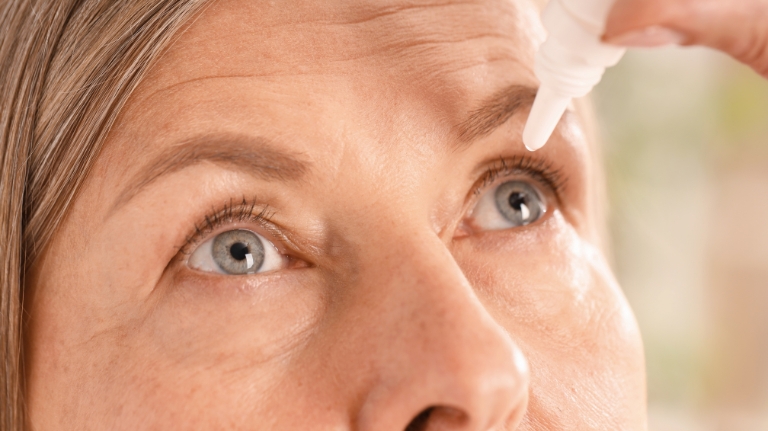
Artificial tears can be very helpful, especially for mild dry eye.
But if you find yourself buying bottle after bottle without much improvement, it may be time to investigate the reason your eyes are dry.
At Monarch Bay Optometry, we can evaluate the ocular surface, eyelids, tear film and meibomian glands to better understand what’s contributing to your symptoms.
Modern Dry Eye Treatment Isn’t One Size Fits All
Dry eye has different causes, so treatment should be based on what is actually happening with your eyes.
Depending on the individual patient, treatment may involve artificial tears, changes in eyelid care, prescription medications and treatments directed toward meibomian gland dysfunction.
For appropriate patients, our Dana Point office also offers advanced dry eye therapies including IPL, or intense pulsed light, and radiofrequency treatments as part of our approach to certain forms of dry eye and meibomian gland dysfunction.
The important point is simple:
We don’t just want to know that your eyes are dry. We want to understand why.
Healthy Aging Should Include Comfortable Eyes
Burning, watering, redness, fluctuating vision, grittiness and contact lens discomfort can become so routine that patients simply adapt to them.
But chronic eye discomfort shouldn’t automatically be dismissed as “just getting older.”
This September, during Healthy Aging Month, consider making your eye comfort part of your overall wellness plan.
Let’s Take a Closer Look at Your Tear Film
If you’re reaching for artificial tears throughout the day, struggling with contact lenses, experiencing fluctuating vision or wondering why your eyes are simultaneously dry and watery, consider a comprehensive dry eye evaluation.
Schedule an Appointment at Monarch Bay Optometry in Dana Point, California. We can evaluate your tear film and meibomian glands, identify factors that may be contributing to your symptoms, and discuss treatment options appropriate for your type of dry eye.
Monarch Bay Optometry, providing modern dry eye care for Dana Point and South Orange County.

