Monarch Bay Optometry | Dana Point, California
November brings a change most of us notice immediately.
It gets dark a lot earlier.
When Daylight Saving Time ends on November 1 this year, our clocks “fall back” one hour. Suddenly, that drive home from work, an afternoon appointment or an early dinner may happen after sunset instead of in daylight.
And for some people, that’s when they notice something else:
Driving at night isn’t as easy as it used to be.
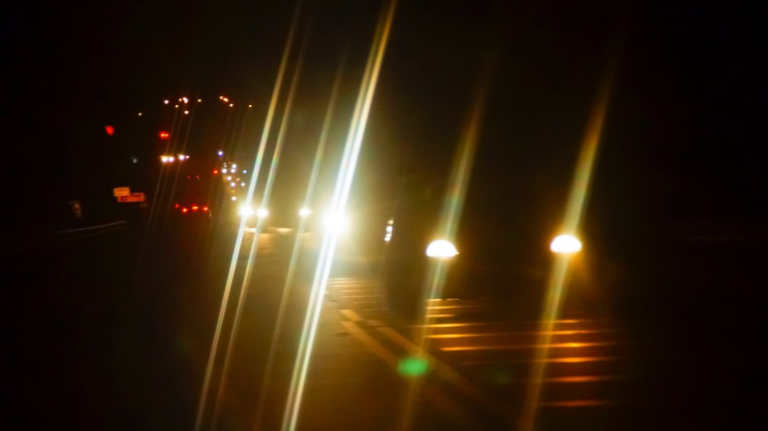
Headlights may seem unusually bright. Street signs aren’t quite as crisp. You may notice halos or starbursts around lights. Maybe you find yourself squinting, slowing down or feeling less comfortable behind the wheel once the sun goes down.
If this sounds familiar, don’t automatically blame the darkness.
The change back to Standard Time may simply be making a vision problem more noticeable.
The American Optometric Association has specifically highlighted the end of Daylight Saving Time as an important time to pay attention to night vision. Shorter daylight hours mean many people suddenly find themselves commuting and running errands in darkness, which can reveal vision problems that weren’t as obvious during daylight hours.
Why Does Driving at Night Feel So Different?
Your eyes have a much harder job after dark.
During the day, there’s plenty of light and contrast to help you distinguish cars, pedestrians, lane markings and road signs.
At night, your visual system has less light available while simultaneously dealing with bright headlights, streetlights, reflections and rapidly changing levels of illumination.
Your pupils also become larger in lower light. This can make certain imperfections in your vision more noticeable.
That’s why someone who feels like they see perfectly well during the day may have a very different experience driving at night.
1. Your Prescription May Need an Update
You don’t necessarily need to have dramatically blurry vision to notice a difference at night.
Even relatively small amounts of uncorrected nearsightedness, farsightedness, or astigmatism may become more noticeable in low light.
Instead of seeing a crisp point of light, headlights and streetlights may appear blurry, stretched or surrounded by glare.
If you find yourself squinting at road signs after dark but don’t have the same problem during the day, it may be time to have your prescription checked.
2. Astigmatism Can Make Headlights Look Messy
Astigmatism occurs when the eye doesn’t focus light evenly.
During the daytime, a small amount of uncorrected astigmatism may not bother you very much. At night, however, lights can appear less crisp and glare may become more distracting.
Properly prescribed glasses or contact lenses may improve nighttime clarity when refractive error is contributing to the problem.
3. Cataracts Can Make Headlight Glare Much More Noticeable
One of the first times some patients become aware of cataracts is while driving at night.
Cataracts develop gradually as the natural lens inside the eye becomes cloudy. Because the changes can happen slowly, you may not realize your vision has changed.
The National Eye Institute lists several possible symptoms of cataracts, including:
- Difficulty seeing at night
- Headlights or other lights seeming too bright
- Halos around lights
- Blurry or cloudy vision
- Colors appearing faded
- Frequent changes in your glasses or contact lens prescription
Having cataracts doesn’t automatically mean you need cataract surgery. Early cataracts may simply need to be monitored, and sometimes an updated prescription can improve vision.
The important thing is knowing why you’re experiencing the change.
4. Dry Eye Can Affect Night Driving Too
This one surprises a lot of patients.
Your tear film creates the first smooth optical surface that light encounters as it enters your eye. If that tear film becomes unstable, the quality of your vision can fluctuate.
That can become especially noticeable when you’re looking at headlights against a dark background.
Dry eye may also become more noticeable in November as we spend more time indoors with heaters and air conditioning.
The American Optometric Association notes that heaters, wind and low humidity can contribute to dry eye symptoms during this time of year and that dry eye can be one of the factors affecting nighttime vision.
Here’s a simple clue to mention to your eye doctor:
Does your vision temporarily become clearer after you blink?
If so, your tear film may be contributing to the problem.
DID YOU KNOW?
The end of Daylight Saving Time doesn’t suddenly make your eyesight worse. It may make an existing vision problem easier to notice.
When you’re spending more time driving in darkness, problems such as an outdated prescription, astigmatism, dry eye or early cataracts may become much more obvious.
Learn more about night vision from the American Optometric Association
5. “But I Can Still Read 20/20”
That’s great, but 20/20 doesn’t tell the entire story.
Think about the difference between reading an eye chart in a brightly illuminated exam room and driving down Pacific Coast Highway after dark.
Night driving involves low contrast, moving vehicles, pedestrians, lane markings, reflections, changing illumination and bright headlights against a dark background.
You may still be able to read 20/20 and have problems with glare or the overall quality of your nighttime vision.
That’s why it’s important to tell your optometrist what you’re experiencing in real life, even if you think you’ll do well on the eye chart.
What Can You Do About Headlight Glare?
A few simple changes can make nighttime driving more comfortable.
The American Optometric Association’s night-driving guidance recommends keeping both the inside and outside of your windshield clean, reducing dashboard brightness and avoiding looking directly at the headlights of an oncoming vehicle.
If you wear prescription glasses, properly fitted lenses with an anti-reflective coating may also help reduce distracting reflections from headlights, streetlights and dashboard lights.
And one important note about those yellow or amber “night driving” glasses you may see advertised: tinted lenses reduce the amount of light reaching your eyes. The AOA advises against tinted lenses for night driving.
Don’t Just Blame Daylight Saving Time
When the clocks change this November, you may suddenly realize how much more often you’re driving after dark.
That makes November an excellent time to pay attention to what your eyes are telling you.
Are headlights more bothersome than they used to be?
Are street signs harder to read?
Do you see halos or starbursts?
Does your vision fluctuate?
Are you becoming less confident driving after sunset?
These changes are worth discussing with your optometrist.
Sometimes the answer is relatively simple, such as updating your prescription or addressing dry eye. Other times, an examination may identify cataracts or another eye health condition that needs monitoring or treatment.
Knowing the reason is better than simply avoiding driving at night.
Before the Holiday Season Gets Busy, Check Your Night Vision
November also marks the beginning of the busy holiday season, with evening dinners, shopping, family gatherings and more time on the road after sunset.
If driving after dark has become noticeably more difficult, don’t simply chalk it up to getting older or brighter headlights.
Let us take a closer look.
Schedule Your Eye Examination in Dana Point
At Monarch Bay Optometry in Dana Point, California, we can evaluate your prescription, eye health and tear film and look for factors that may be affecting your nighttime vision, including astigmatism, dry eye and cataracts.
When the clocks fall back, your confidence behind the wheel shouldn’t have to.